
Jan Sahas Social Empowerment Society (JSSES) was established in 2006 in Madhya Pradesh with a deep commitment to empowering those that need the most support. Our journey began with the recognition of social and societal barriers that affect people’s mental health and well-being, and hampers social and economic development. Since our inception, JSSES has acted as a vital platform and catalyst for community empowerment, working with underserved communities. Over the years, we have evolved to focus on strengthening community resilience, enabling access to essential services and resources, and promoting self-reliance. Our history is rooted in walking alongside communities, helping them unlock their collective potential and drive lasting change from within, always prioritizing the voices and needs of those we serve.
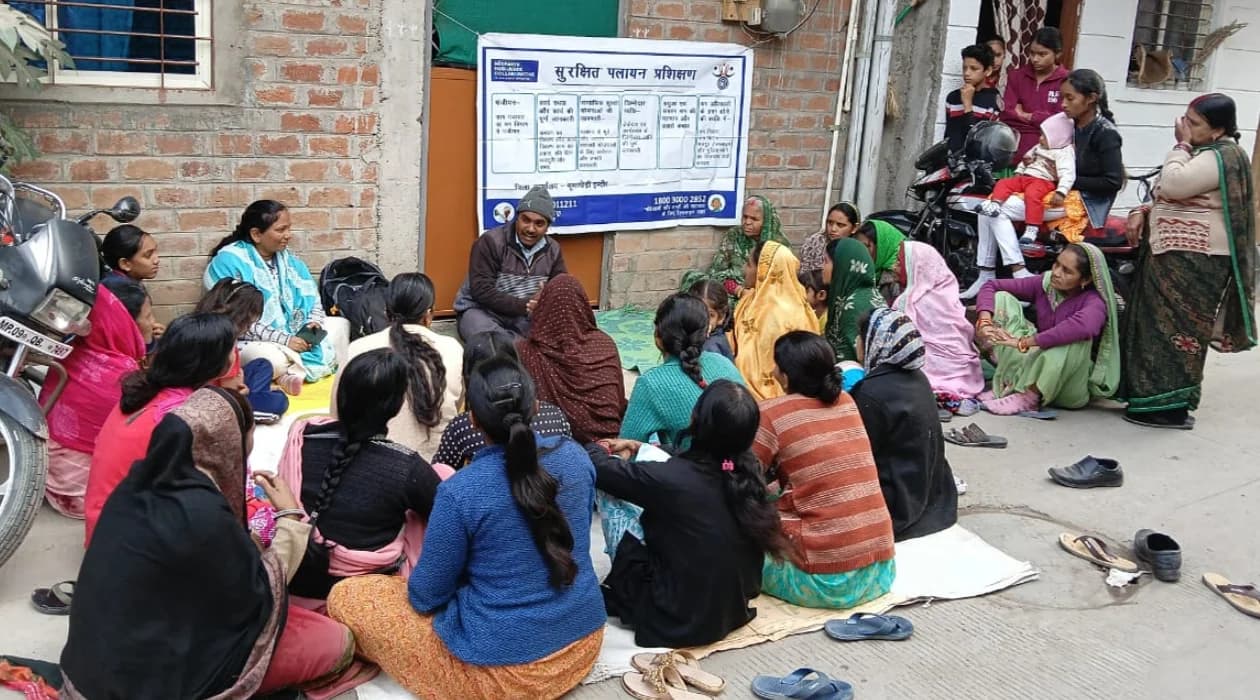
Jan Sahas social empowerment society aims to create a society that is socially, economically, and educationally empowered, where every individual is ensures equal rights and opportunities.
Jan Sahas social empowerment society aims to provide equal rights to all individuals, especially those from marginalized communities. It works to raise awareness about mental health and well-being and promotes equality, self-reliance, and development in society.
Our approach is rooted in creating sustainable change and empowering marginalized communities by focusing on their strength and fostering self-reliance. We believe that true transformation comes from within the communities itself. Our methodology is characterised by:
A key feature of our work is involving survivors, grassroots leaders, and community representatives directly in our decision-making process. This ensures that those whose voices were traditionally unheard now lead and guide the shaping of mental health systems and all our initiatives.
Working towards improving the mental well-being of rural women and children through accessible services.
Ensuring that the needs and voices of survivors and communities are at the center of our initiatives.
Supporting women's economic empowerment through initiatives like Usha Silai and other livelihood opportunities.
Addressing the root cause of social issues to bring lasting transformation through. Collaborative programs like the Migrant Resilience Collaborative Program.
Partnering effectively with government bodies, civil society organizations, and community leaders for collective impact.
We follow a two-fold strategy to ensure lasting impact:
Effective Implementations
Establishing efficient last-mile delivery systems to ensure the most underserved populations can access existing protections and benefits.
Transforming Systems
Collaborating with government and other key stakeholders to strengthen institutional infrastructure and promote effective and inclusive systems that serve all.
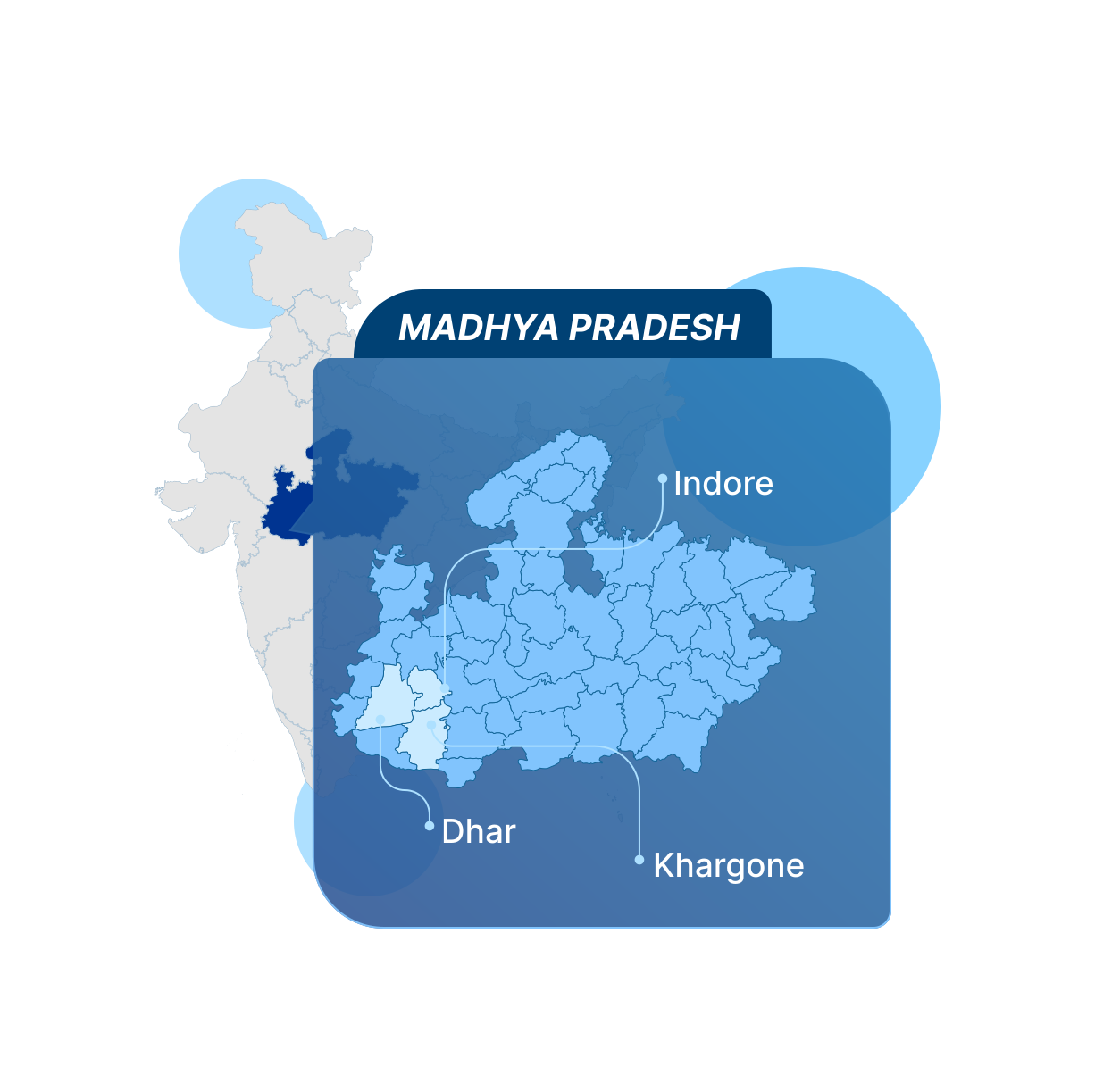
Jan Sahas Empowerment society currently focuses its efforts in Madhya Pradesh, India.
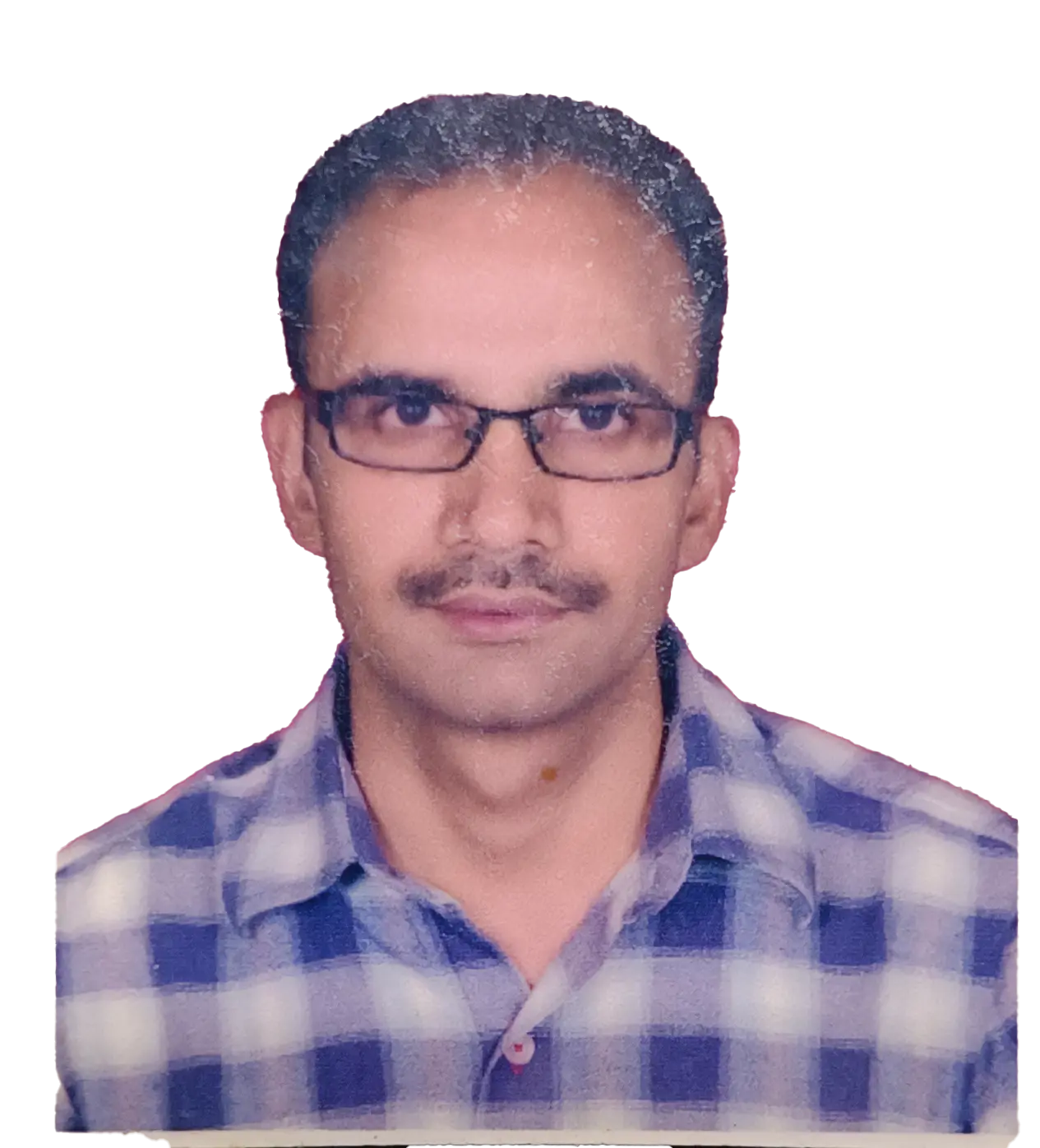
Aasish Choubey
Aashish is a seasoned legal professional with over 20 years of experience practicing at the High Court of Madhya Pradesh, Indore Bench. Since 2001, he has been committed to advancing the rights of Dalits, backward classes, and other marginalized communities, often representing them pro bono to uphold their dignity and constitutional rights. Driven by a strong sense of social justice, his legal work bridges expertise with empathy, making him a vital advocate for inclusive development and human rights in India.
Aasish Choubey
Aashish is a seasoned legal professional with over 20 years of experience practicing at the High Court of Madhya Pradesh, Indore Bench. Since 2001, he has been committed to advancing the rights of Dalits, backward classes, and other marginalized communities, often representing them pro bono to uphold their dignity and constitutional rights. Driven by a strong sense of social justice, his legal work bridges expertise with empathy, making him a vital advocate for inclusive development and human rights in India.
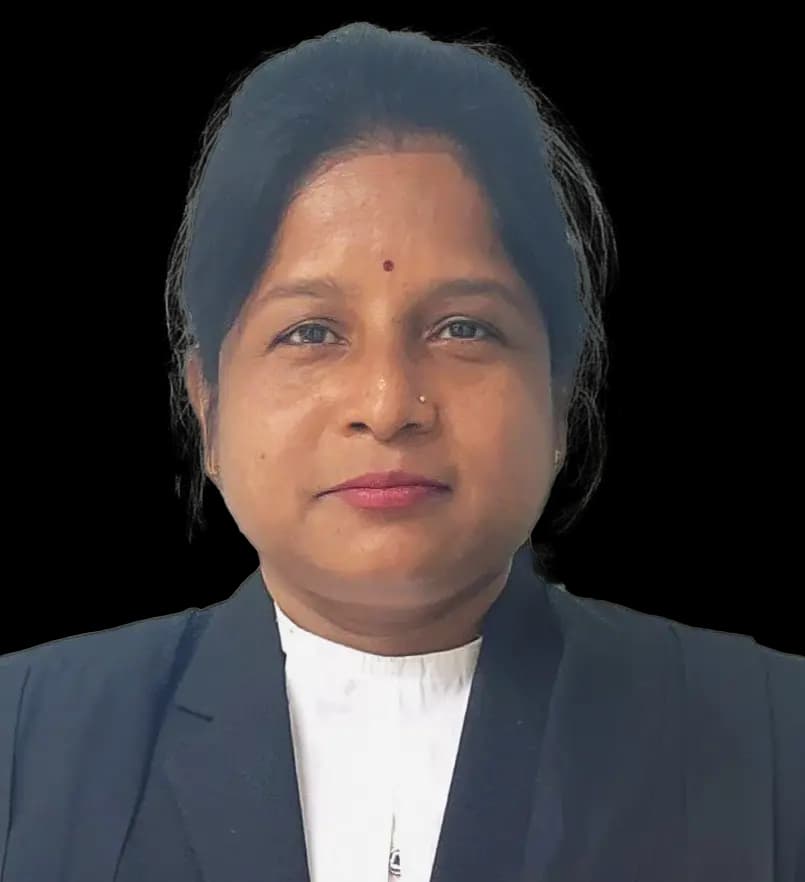
Archana Gosar
Archana Gosar is an advocate with a decade of legal experience, having practiced in both the High Court and District Court in Indore. Deeply committed to women’s rights, she has spent the past 10 years working to support and empower women through legal advocacy and community engagement.
Archana Gosar
Archana Gosar is an advocate with a decade of legal experience, having practiced in both the High Court and District Court in Indore. Deeply committed to women’s rights, she has spent the past 10 years working to support and empower women through legal advocacy and community engagement.
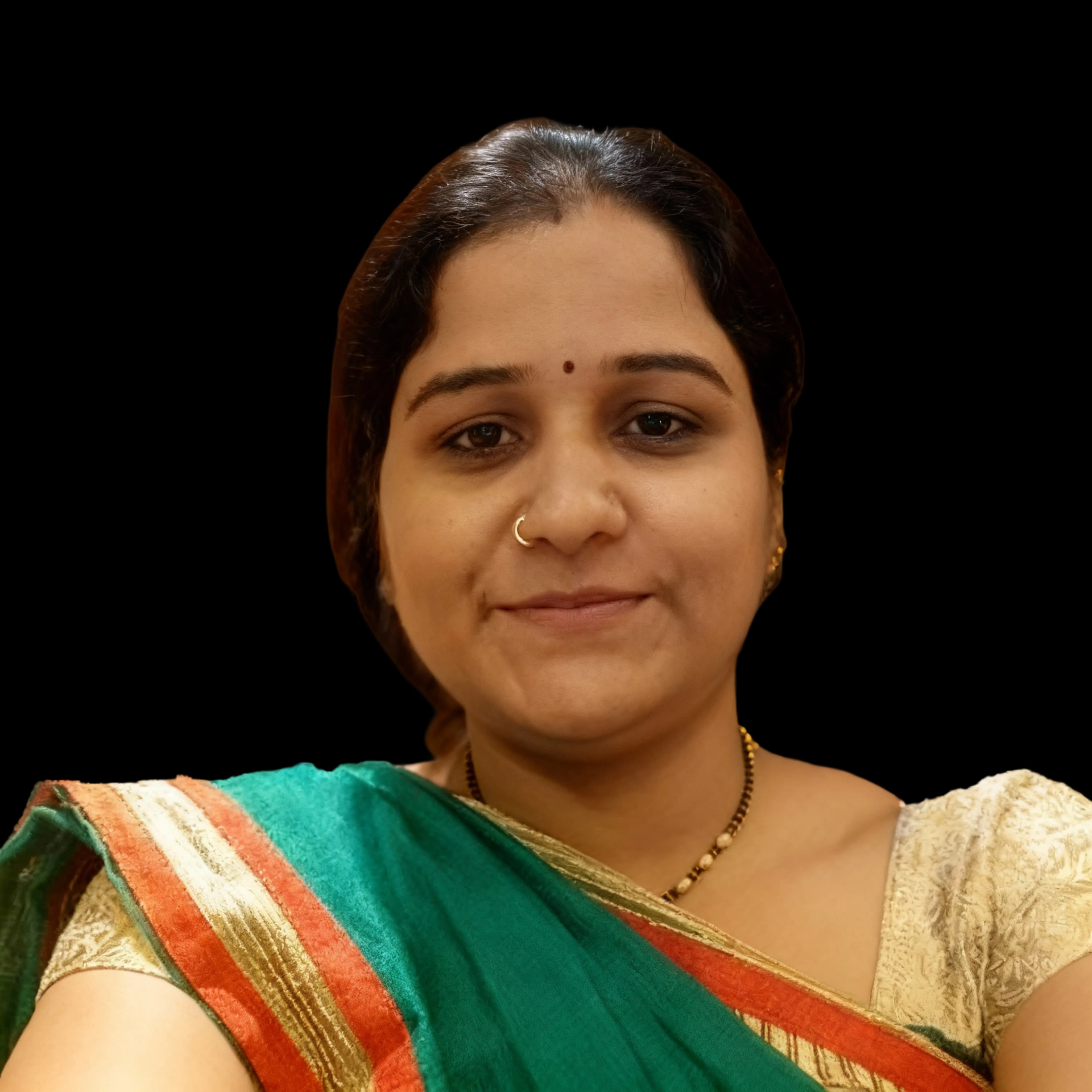
Jyoti Choudhary
Jyoti Choudhary has worked in the social sector for over 12 years, focusing on the prevention of violence against women and girls. She has provided critical legal support to affected women, children, and their families, advocating for their rights and safety within both legal and social systems.
Jyoti Choudhary
Jyoti Choudhary has worked in the social sector for over 12 years, focusing on the prevention of violence against women and girls. She has provided critical legal support to affected women, children, and their families, advocating for their rights and safety within both legal and social systems.

Kranti Khode
Kranti Khode’s vision is to build a society where dignity, justice, and equality are not privileges, but guaranteed fundamental rights for every individual, especially the most marginalized. She comes from the Valmiki (manual scavenging) community and began her journey 22 years ago as a field worker dedicated to eradicating the inhuman practice of manual scavenging with the grassroots organization Jan Sahas and through the Rashtriya Garima Abhiyaan. Today, she serves as the Secretary of Jan Sahas Social Empowerment Society. She holds academic qualifications in B.A., LL.B., LL.M., and an M.S.W. Over the years, she has gained extensive experience in addressing critical issues such as the eradication of manual scavenging, prevention of violence against women and children, migration, mental health, women’s empowerment, and livelihood promotion. Her work has consistently been rooted in close engagement with marginalized communities. In addition, she has conducted training on the POSH Act and POCSO Act, and on strengthening the capacities of community volunteers as paralegals. She was an active contributor to the Rashtriya Garima Abhiyaan (2012), a nationwide campaign to end manual scavenging, and participated in the Dignity March (2018), a campaign led by survivors of sexual violence to end violence against women and children.
Kranti Khode
Kranti Khode’s vision is to build a society where dignity, justice, and equality are not privileges, but guaranteed fundamental rights for every individual, especially the most marginalized. She comes from the Valmiki (manual scavenging) community and began her journey 22 years ago as a field worker dedicated to eradicating the inhuman practice of manual scavenging with the grassroots organization Jan Sahas and through the Rashtriya Garima Abhiyaan. Today, she serves as the Secretary of Jan Sahas Social Empowerment Society. She holds academic qualifications in B.A., LL.B., LL.M., and an M.S.W. Over the years, she has gained extensive experience in addressing critical issues such as the eradication of manual scavenging, prevention of violence against women and children, migration, mental health, women’s empowerment, and livelihood promotion. Her work has consistently been rooted in close engagement with marginalized communities. In addition, she has conducted training on the POSH Act and POCSO Act, and on strengthening the capacities of community volunteers as paralegals. She was an active contributor to the Rashtriya Garima Abhiyaan (2012), a nationwide campaign to end manual scavenging, and participated in the Dignity March (2018), a campaign led by survivors of sexual violence to end violence against women and children.
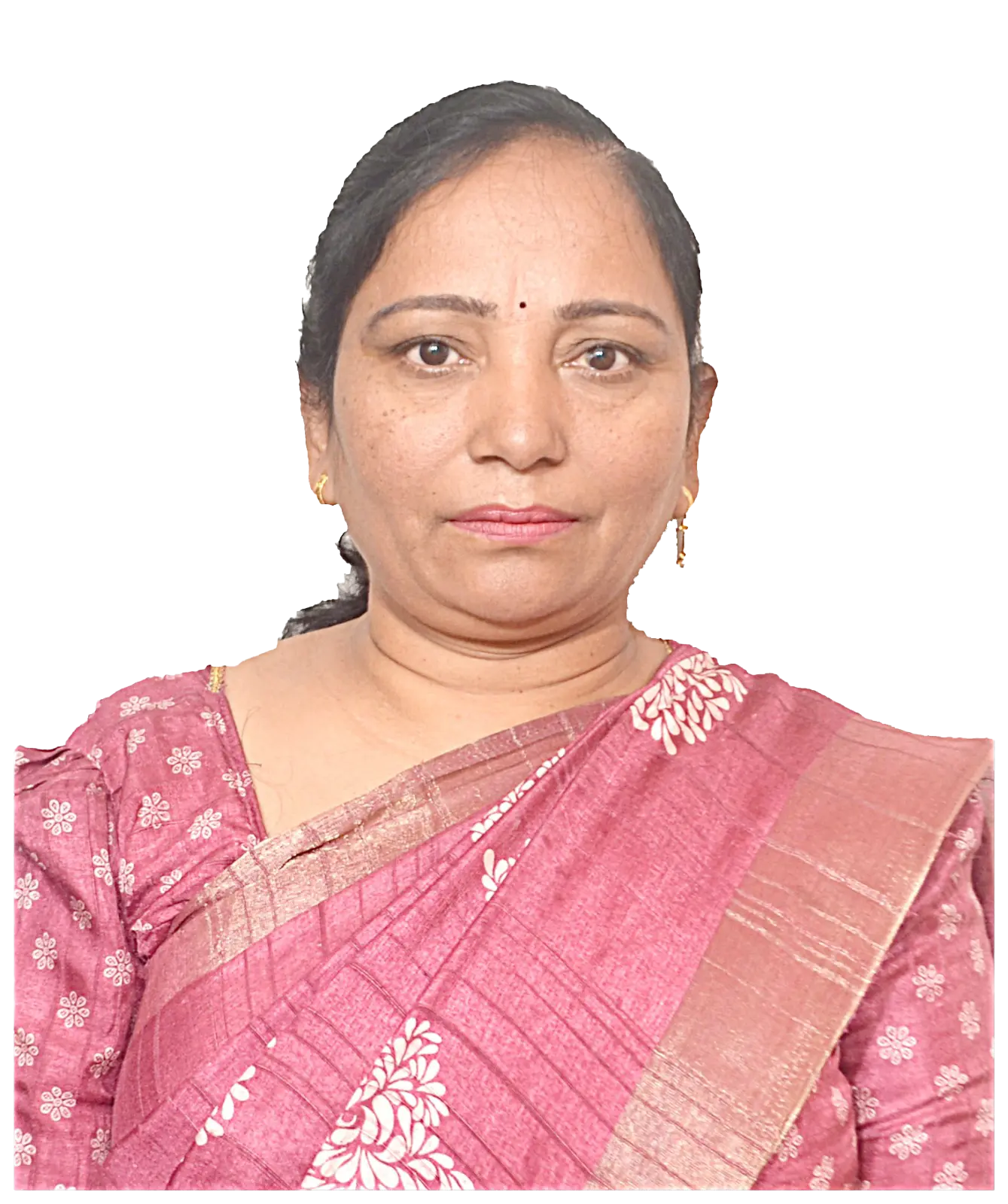
Pramila Rathore
With 17 years of experience in social work, Pramila Rathore holds a Master’s in Social Work and a PGDCA. Her work spans education and women’s rights, including eight years of teaching in primary, middle, and high schools. She has been deeply involved in efforts to prevent violence against women and promote reproductive health, focusing on community-level impact.
Pramila Rathore
With 17 years of experience in social work, Pramila Rathore holds a Master’s in Social Work and a PGDCA. Her work spans education and women’s rights, including eight years of teaching in primary, middle, and high schools. She has been deeply involved in efforts to prevent violence against women and promote reproductive health, focusing on community-level impact.

Rajendra Bandhu
Hailing from the remote village of Khatgaon in Madhya Pradesh and rooted in a marginalized community, Rajendra Bandhu (M.A., M.Phil., LL.B., LL.M.) has spent over 35 years driving grassroots social change. As a lifelong social worker and legal advocate, he has worked extensively with NGOs to promote gender equality and ensure that government schemes benefit underserved communities. A lifetime member of the Indore High Court Bar Association, he specializes in family law and women’s legal rights, and has authored several books aimed at making legal knowledge accessible to all. Rajendra is nationally recognized for challenging gender norms and opening doors for women in non-traditional professions such as mechanics, electricians, and drivers. He founded the Samaan Society to institutionalize his vision for social inclusion and equality, and established India’s first women-run mechanic garage in Indore—a powerful symbol of empowerment and change.
Rajendra Bandhu
Hailing from the remote village of Khatgaon in Madhya Pradesh and rooted in a marginalized community, Rajendra Bandhu (M.A., M.Phil., LL.B., LL.M.) has spent over 35 years driving grassroots social change. As a lifelong social worker and legal advocate, he has worked extensively with NGOs to promote gender equality and ensure that government schemes benefit underserved communities. A lifetime member of the Indore High Court Bar Association, he specializes in family law and women’s legal rights, and has authored several books aimed at making legal knowledge accessible to all. Rajendra is nationally recognized for challenging gender norms and opening doors for women in non-traditional professions such as mechanics, electricians, and drivers. He founded the Samaan Society to institutionalize his vision for social inclusion and equality, and established India’s first women-run mechanic garage in Indore—a powerful symbol of empowerment and change.
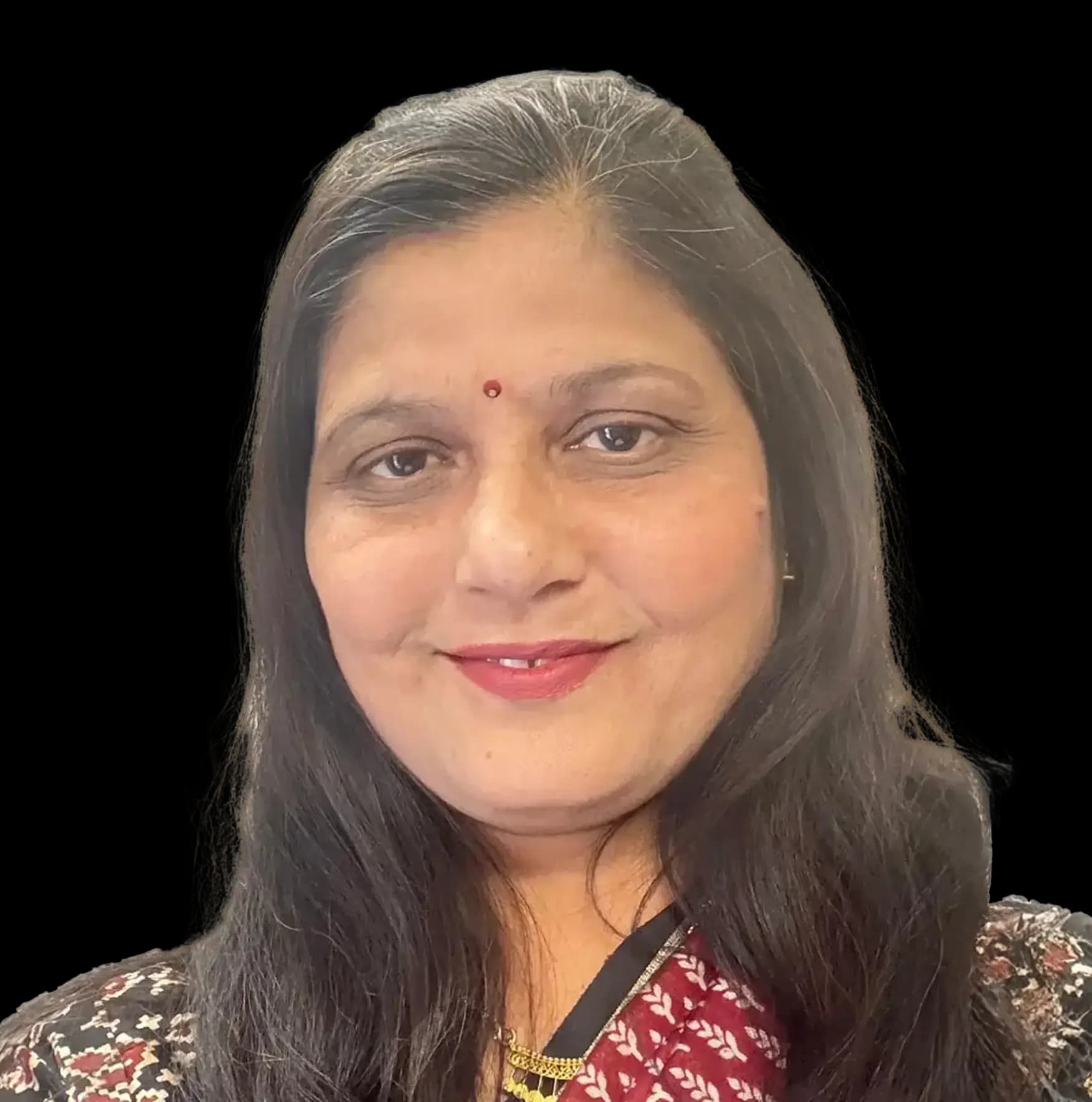
Sudha Jain
An Assistant Professor at Indore School of Social Work for 22 years, Sudha Jain has a rich background as a researcher, labour welfare officer, and child rights advocate. As a member of the Child Welfare Committee, she has helped rehabilitate over 600 vulnerable children. She also serves as a POSH Consultant for multiple organizations, offering training and guidance on workplace sexual harassment laws. With 23 published papers and 15 national seminar presentations, her work bridges academia and frontline social impact.
Sudha Jain
An Assistant Professor at Indore School of Social Work for 22 years, Sudha Jain has a rich background as a researcher, labour welfare officer, and child rights advocate. As a member of the Child Welfare Committee, she has helped rehabilitate over 600 vulnerable children. She also serves as a POSH Consultant for multiple organizations, offering training and guidance on workplace sexual harassment laws. With 23 published papers and 15 national seminar presentations, her work bridges academia and frontline social impact.